
Book overview
Introduction
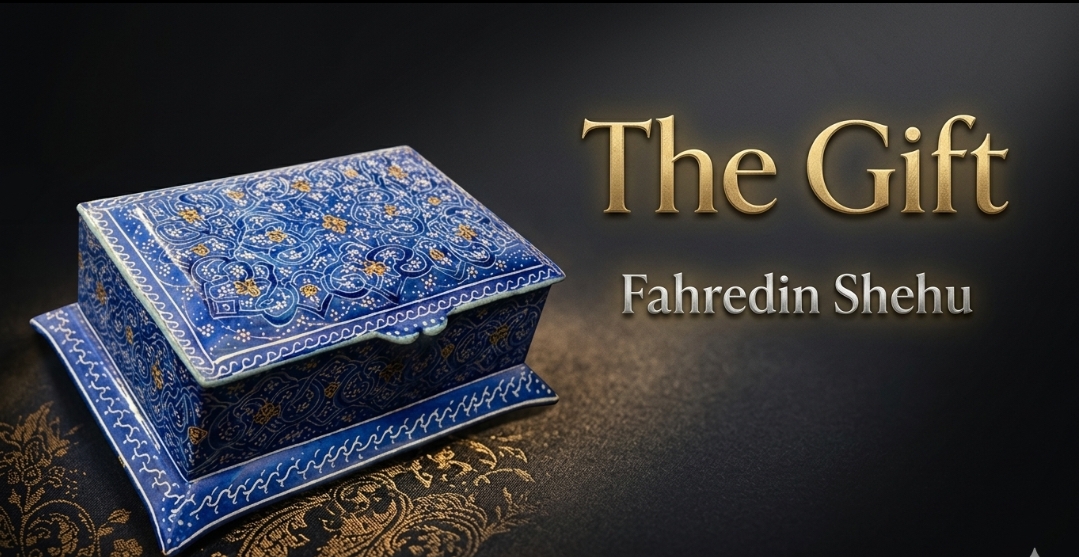
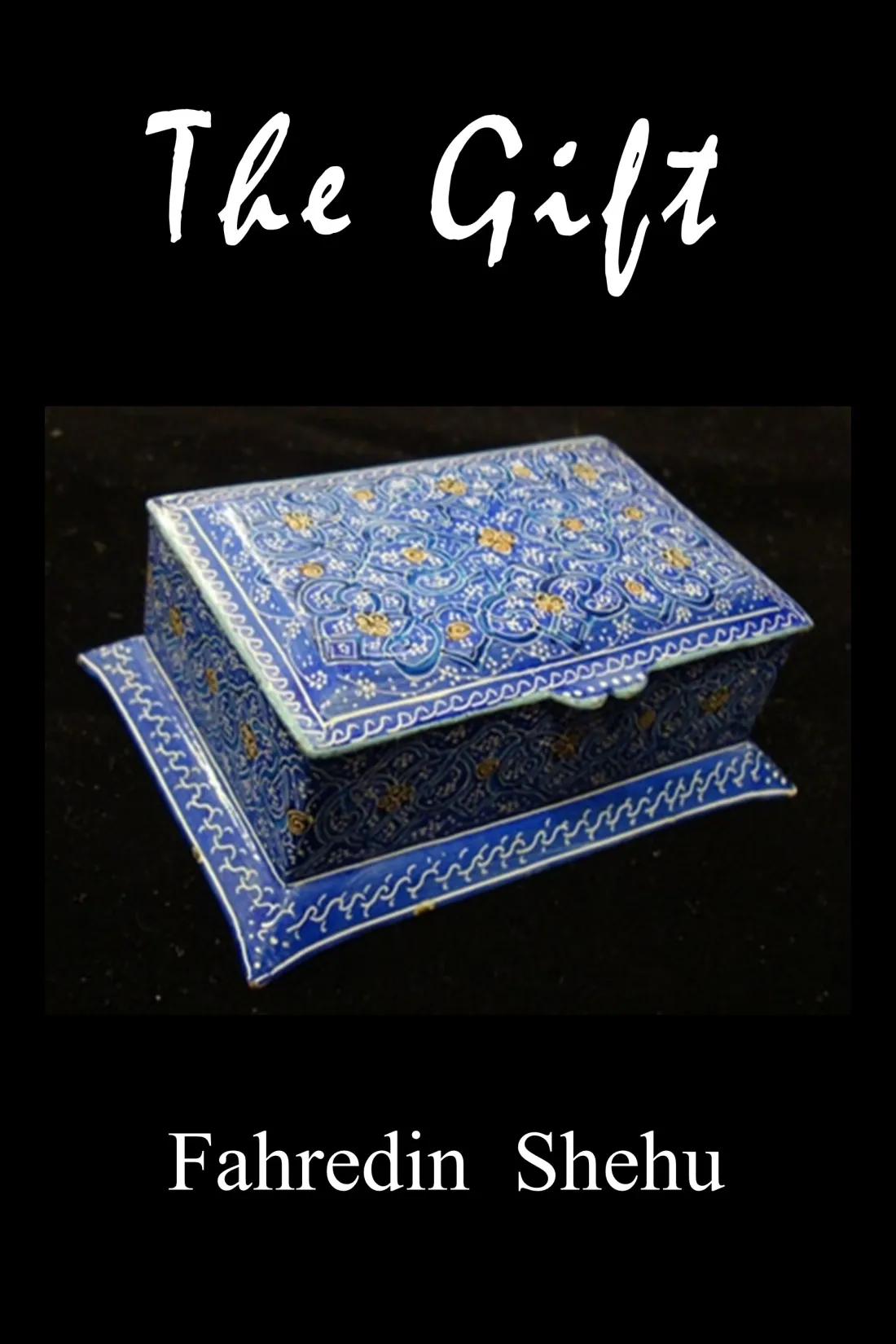
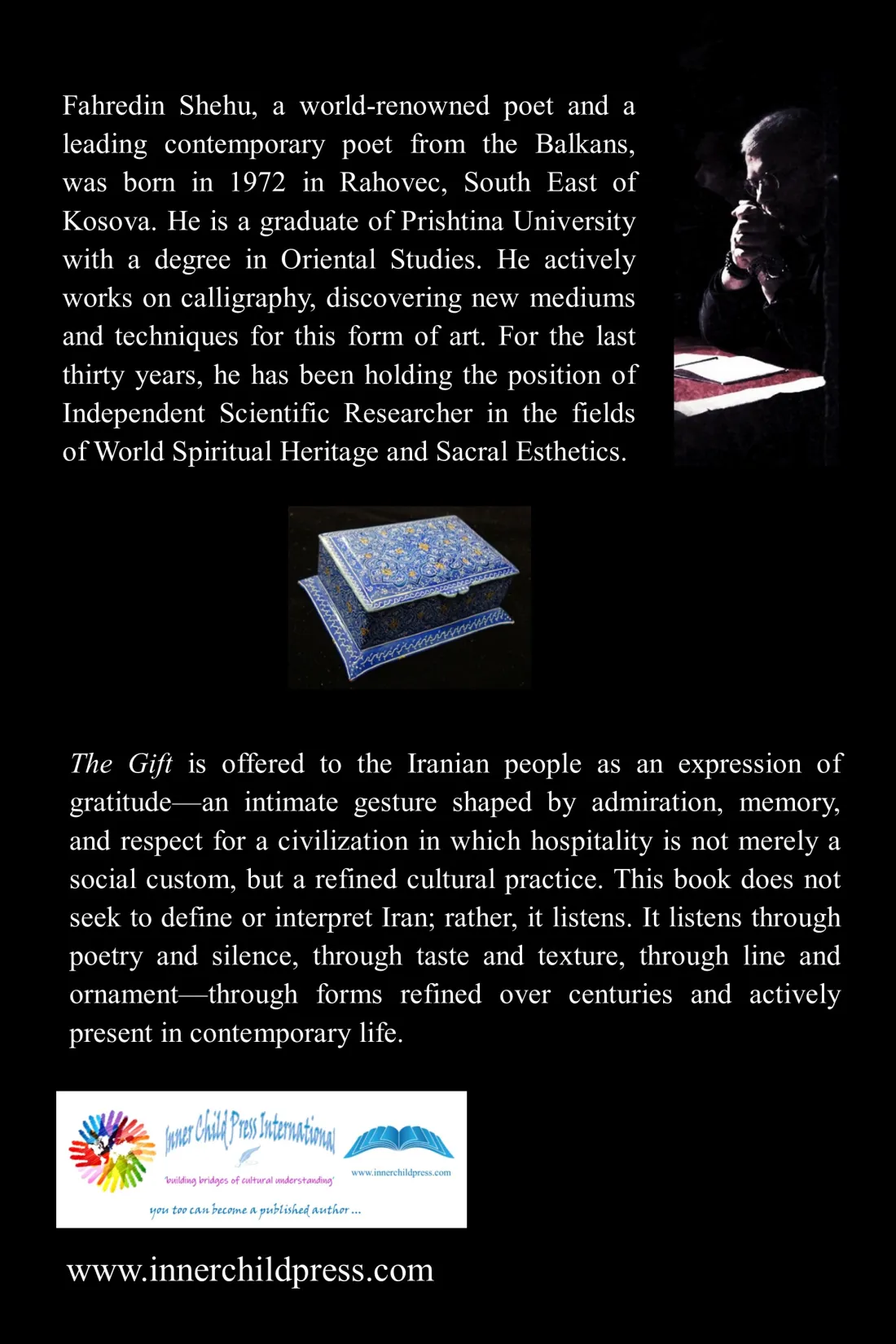
The Gift is offered to the Iranian people as an expression of gratitude—an intimate gesture shaped by admiration, memory, and respect for a civilization in which hospitality is not merely a social custom, but a refined cultural practice. This book does not seek to define or interpret Iran; rather, it listens. It listens through poetry and silence, through taste and texture, through line and ornament—through forms refined over centuries and actively present in contemporary life.
Central to this offering is Persian poetry, approached not as a historical artifact, but as a living mode of perception. The ghazal, with its lyrical movement between longing and union, continues to inform contemporary Iranian sensibility, resonating in music, visual culture, and everyday language. It sustains a disciplined intensity that allows contradiction to exist without rupture. The rubāʿiyyāt, concise yet expansive, distill insight into four lines, often combining philosophical depth with irony, playfulness, and defiance. The khamsa, monumental in narrative scope, demonstrates how storytelling itself can become an ethical and aesthetic architecture. In contemporary Iran, these classical forms are neither preserved nor imitated; they are reinterpreted and re-embodied, confirming that tradition remains vital only when it continues to evolve.
Persian art has long excelled at translating metaphysical concepts into material form. This is evident in crafts such as khatam, where meticulous precision produces a sense of cosmic order, and in the Persian rug, where geometry, memory, and devotion converge. Each knot reflects patience; each pattern functions as a repository of cultural memory. The pomegranate, a recurring symbol of abundance and continuity, appears across poetry, visual art, and daily life, reflecting a cultural impulse to infuse the ordinary with symbolic meaning.
Calligraphy occupies a central position within the Persian visual culture. The fluid elegance of Nastaʿlīq, often described as the most poetic of scripts, balances motion and restraint, aesthetic beauty and structural discipline. Naskh, valued for clarity and legibility, has long served as a vehicle for knowledge and devotion. In the work of contemporary artists such as Mohammad Ehsai, calligraphy extends beyond textual meaning, functioning as visual abstraction and spiritual invocation. Similarly, the art of Mahmoud Farshchian renews the Persian miniature tradition through dynamic composition, mystical symbolism, and emotional intensity, demonstrating its relevance within a modern artistic context.
Hospitality in Iran is inseparable from its culinary traditions, which function as expressions of care, generosity, and balance. Saffron, valued for its color and fragrance, transforms simplicity into ceremony. Sohan, delicate and labor-intensive, reflects patience and celebration. Dishes such as Mirza Ghasemi and Fesenjan reveal a sophisticated use of contrast—smoke and sweetness, acidity and depth—demonstrating a culinary philosophy shaped by equilibrium and attentiveness.
The Gift arises from sustained encounters with these cultural forms—not as a catalog, but as an ongoing dialogue. It is written for a people who recognize beauty as a responsibility, generosity as a form of wisdom, and artistic expression—whether literary, visual, culinary, or artisanal—as an act of welcome. This book is offered in that same spirit: with respect, clarity, and enduring gratitude.

Comments
No comments yet. Be the first to comment.